What Is Adenomyosis Embolization? A Non-Surgical Solution
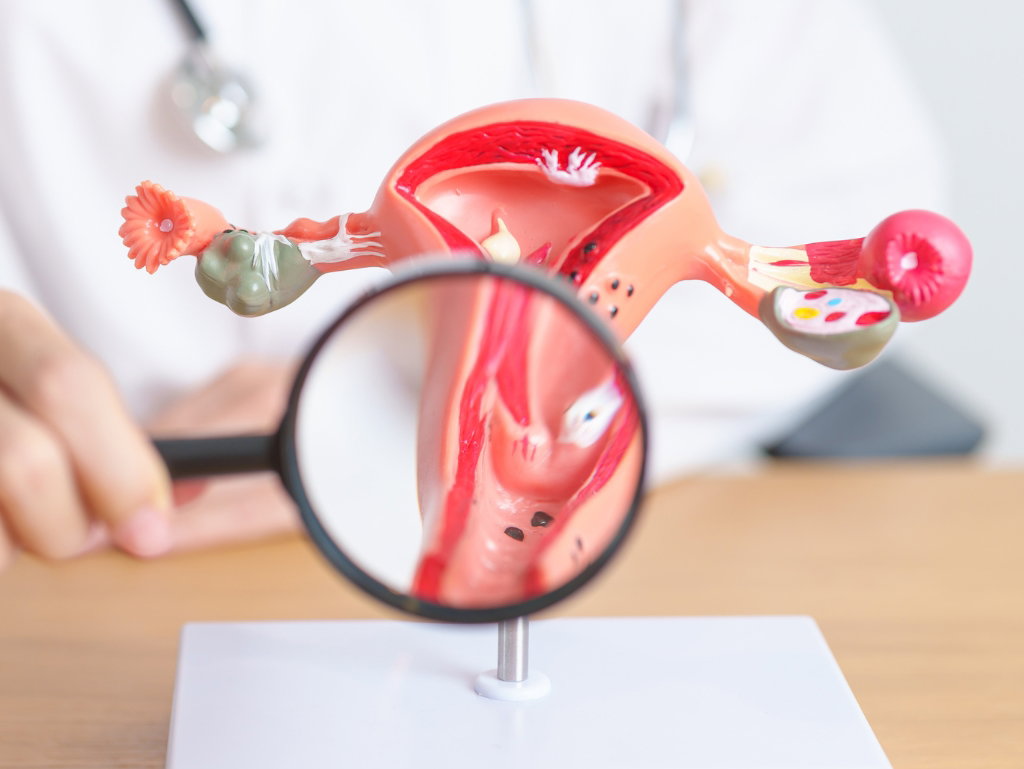
Adenomyosis is a common but often misunderstood condition that affects the uterus, causing heavy menstrual bleeding, severe cramps, and pelvic pain. It occurs when the endometrial tissue that normally lines the uterus begins to grow into the uterine muscle wall. This condition can significantly impact a woman’s quality of life, leading to chronic discomfort, fatigue, and challenges in daily functioning. While surgery, including hysterectomy, has long been considered a standard treatment, many women today seek alternatives that preserve their uterus and minimize downtime. One of the most promising minimally invasive treatments is adenomyosis embolization, a procedure designed to target the root of symptoms without the need for major surgery.In this article, we will explore what adenomyosis embolization is, how it works, its benefits, and why more women are turning to this non-surgical solution to manage their symptoms effectively.
Understanding Adenomyosis and Its Impact
Adenomyosis affects women primarily in their 30s and 40s, though it can occur at any reproductive age. Its symptoms include prolonged menstrual bleeding, blood clots, pelvic pressure, and pain that worsens during periods. Many women also experience bloating, fatigue, and difficulty engaging in normal activities due to the severity of discomfort.Traditional treatments for adenomyosis have included hormone therapy or, in severe cases, hysterectomy, which removes the uterus entirely. While hysterectomy offers a permanent solution, it is invasive and eliminates fertility, which is not an ideal option for women who want to maintain their reproductive potential or avoid major surgery. Adenomyosis embolization has emerged as a breakthrough, providing a minimally invasive alternative with fewer risks and a shorter recovery period.
What Is Adenomyosis Embolization?
Adenomyosis embolization, also known as uterine artery embolization for adenomyosis, is a procedure performed by an interventional radiologist. It involves blocking the blood vessels that supply the adenomyosis-affected areas of the uterus. By reducing blood flow to these areas, the tissue causing pain and heavy bleeding begins to shrink, leading to a significant reduction in symptoms.This procedure is performed using advanced imaging guidance, allowing the specialist to precisely deliver tiny embolic particles into the arteries feeding the adenomyosis tissue. Over time, this lack of blood supply causes the adenomyotic tissue to break down while preserving the uterus itself.
How Adenomyosis Embolization Works
The process of adenomyosis embolization begins with a consultation and diagnostic imaging, often using MRI or ultrasound, to confirm the extent of the condition. Once scheduled, the procedure is performed in a hospital or outpatient setting under local anesthesia with sedation.A small incision is made in the groin or wrist to access the femoral or radial artery. Through this entry point, a catheter is guided into the uterine arteries. Using real-time imaging, the interventional radiologist releases embolic particles to block blood flow to the adenomyotic tissue. This process typically takes 30 to 90 minutes, and patients usually return home the same day or after a short observation period.
Advantages of Adenomyosis Embolization
One of the most significant benefits of adenomyosis embolization is its ability to provide relief without major surgery. Here are some key advantages:
- Uterus Preservation: Unlike a hysterectomy, adenomyosis embolization allows women to keep their uterus, making it an excellent option for those who want to maintain their reproductive health.
- Minimally Invasive: The procedure requires only a tiny incision, reducing the risk of complications, infections, and scarring.
- Quick Recovery: Most women return to regular activities within a week, compared to several weeks of downtime after surgical options.
- Symptom Relief: Studies show that adenomyosis embolization effectively reduces heavy menstrual bleeding, pain, and other symptoms in most patients.
- Lower Risk Profile: The procedure is performed under local anesthesia, reducing risks associated with general anesthesia.
Comparing Adenomyosis Embolization to Other Treatments
Traditional treatments for adenomyosis often focus on symptom management rather than addressing the root of the condition. Hormonal therapies, such as birth control pills, IUDs, or GnRH agonists, can temporarily control bleeding and pain but often come with side effects and limited effectiveness.Hysterectomy remains the definitive treatment, but it is a major surgery requiring a lengthy recovery and comes with emotional and physical considerations, especially for women who want to preserve fertility.Adenomyosis embolization offers a middle ground by targeting the abnormal tissue directly while avoiding extensive surgery. This makes it a particularly attractive option for women seeking a long-term solution with minimal disruption to their lives.
Who Is a Candidate for Adenomyosis Embolization?
Not every woman with adenomyosis is a candidate for this treatment. The ideal candidates are women who:
- Have been diagnosed with adenomyosis through imaging tests.
- Experience severe pain or heavy bleeding that impacts their quality of life.
- Prefer a non-surgical, uterus-sparing treatment option.
- Have not found relief with medications or hormonal therapies.
- Are in good overall health with no severe pelvic infections or contraindications for embolization.
A thorough evaluation by an interventional radiologist is essential to determine whether adenomyosis embolization is appropriate for each individual’s needs.
What to Expect After the Procedure
Recovery after adenomyosis embolization is generally smooth and straightforward. Patients may experience mild cramping, fatigue, or pelvic discomfort for a few days, which is managed with over-the-counter or prescribed pain medications. Most women can return to work and daily routines within a week.Follow-up imaging is often scheduled a few months later to assess the shrinkage of adenomyotic tissue and overall uterine health. Symptom relief typically begins within the first menstrual cycle after the procedure, with ongoing improvement over time.
Success Rates and Long-Term Outcomes
Research on adenomyosis embolization has shown high rates of symptom relief, with many women reporting a significant reduction in menstrual bleeding, pelvic pain, and pressure. In some studies, up to 85–90% of patients experience long-lasting improvement.Unlike hormonal therapies, embolization addresses the root cause by cutting off blood supply to the adenomyotic tissue. For many women, this translates to fewer recurrences of symptoms and a better quality of life. Importantly, this procedure also offers the possibility of preserving fertility, although outcomes vary, and it is essential to discuss reproductive goals with a specialist.
The Future of Adenomyosis Care
The growing popularity of adenomyosis embolization reflects a broader shift in women’s health care. More women are seeking effective treatments that allow them to avoid unnecessary surgery and preserve their reproductive health. As imaging technology, interventional radiology techniques, and patient education advance, embolization is becoming a preferred solution for those suffering from adenomyosis.
Conclusion
Adenomyosis can be a challenging and painful condition, but advances in minimally invasive medicine are giving women more choices than ever. Adenomyosis embolization offers a safe, effective, and non-surgical way to manage symptoms, restore quality of life, and avoid major surgery. If you are struggling with heavy bleeding, severe cramps, or pelvic pain caused by adenomyosis, consulting with an interventional radiologist may help you determine if this innovative treatment is right for you.
