Understanding the Role of a Fibroid Doctor in Treatment
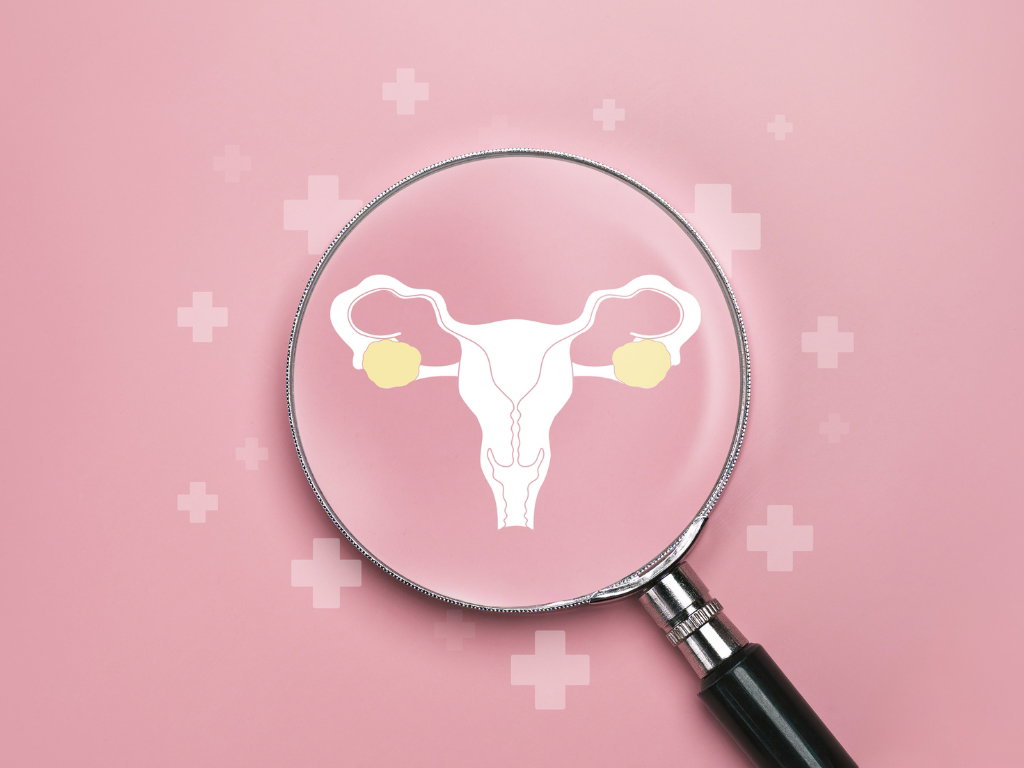
Uterine fibroids are a common health concern affecting millions of women worldwide, often leading to symptoms such as heavy menstrual bleeding, pelvic pain, frequent urination, and fertility challenges. While many women may initially ignore mild symptoms, seeking the right medical guidance becomes crucial when fibroids begin to impact daily life. This is where the expertise of a fibroid doctor becomes essential. A fibroid doctor specializes in diagnosing, managing, and treating fibroids using both surgical and non-surgical approaches, ensuring patients receive personalized and effective care.
What Is a Fibroid Doctor?
A fibroid doctor is a medical specialist with expertise in identifying and treating uterine fibroids. This may include gynecologists, interventional radiologists, or surgeons who focus on women’s reproductive health. Their primary role is to evaluate the patient’s symptoms, confirm the presence of fibroids through diagnostic tools, and recommend the most suitable treatment plan.Unlike general practitioners, a fibroid doctor has in-depth knowledge of fibroid behavior, growth patterns, and treatment outcomes. This specialization allows them to provide targeted care, ensuring better results and improved quality of life for patients.
Diagnosis and Evaluation
One of the most critical roles of a fibroid doctor is accurate diagnosis. Many women experience symptoms that overlap with other gynecological conditions, making proper evaluation essential. A fibroid doctor typically begins with a detailed medical history and physical examination.Diagnostic tools such as ultrasound, MRI scans, and blood tests are commonly used to determine the size, number, and location of fibroids. Based on these findings, the fibroid doctor can assess the severity of the condition and its impact on the patient’s health. Early and accurate diagnosis plays a key role in preventing complications and guiding effective treatment.
Personalized Treatment Planning
Every patient’s experience with fibroids is unique, which is why a one-size-fits-all approach does not work. A fibroid doctor carefully considers factors such as age, symptom severity, fibroid size, reproductive goals, and overall health before recommending treatment.Treatment options may include medication to manage symptoms, minimally invasive procedures, or surgery. A skilled fibroid doctor ensures that patients fully understand their options, including the benefits and potential risks associated with each approach. This personalized care helps patients make informed decisions about their health.
Non-Surgical Treatment Options
In recent years, non-surgical treatments have gained popularity due to their effectiveness and shorter recovery times. A fibroid doctor may recommend procedures such as uterine artery embolization (UAE), which blocks blood flow to fibroids, causing them to shrink over time.Hormonal therapies may also be prescribed to control symptoms like heavy bleeding. A fibroid doctor closely monitors the patient’s response to these treatments and adjusts the plan as needed. These options are especially beneficial for women who wish to avoid surgery or preserve their uterus.
Surgical Interventions
In cases where fibroids are large, numerous, or causing severe symptoms, surgical intervention may be necessary. A fibroid doctor may recommend procedures such as myomectomy, which removes fibroids while preserving the uterus, or hysterectomy, which involves removing the uterus entirely.The decision to undergo surgery is carefully evaluated, considering the patient’s future fertility plans and overall health. A fibroid doctor ensures that patients are well-prepared for surgery and supported throughout the recovery process.
Monitoring and Follow-Up Care
Treatment does not end after a procedure or medication. Continuous monitoring is an essential part of fibroid management. A fibroid doctor schedules regular follow-up visits to track progress, detect any recurrence, and address new symptoms.This ongoing care helps ensure long-term success and prevents complications. A fibroid doctor also provides guidance on lifestyle changes, diet, and stress management to support overall reproductive health.
Supporting Fertility and Reproductive Health
Fibroids can sometimes interfere with fertility and pregnancy outcomes. A fibroid doctor plays a crucial role in helping women who wish to conceive. By carefully selecting treatments that preserve the uterus and improve uterine health, they increase the chances of a successful pregnancy.In some cases, removing fibroids or shrinking them through non-surgical methods can significantly enhance fertility. A fibroid doctor works closely with patients to align treatment plans with their reproductive goals.
Patient Education and Emotional Support
Dealing with fibroids can be physically and emotionally challenging. A fibroid doctor not only provides medical treatment but also educates patients about their condition. Understanding what fibroids are, why they develop, and how they can be managed empowers patients to take control of their health.Additionally, a fibroid doctor offers emotional support, addressing concerns and fears related to treatment. Open communication helps build trust and ensures a more positive healthcare experience.
Importance of Early Consultation
Many women delay seeking treatment for fibroids, assuming symptoms will resolve on their own. However, early consultation with a fibroid doctor can prevent complications and improve treatment outcomes.Timely intervention allows for a wider range of treatment options, including less invasive methods. A fibroid doctor can identify potential risks early and provide solutions that minimize discomfort and disruption to daily life.
Choosing the Right Fibroid Doctor
Selecting the right fibroid doctor is an important step in the treatment journey. Patients should look for a specialist with experience in multiple treatment approaches, strong patient reviews, and a commitment to personalized care.A good fibroid doctor takes the time to listen, answer questions, and involve patients in decision-making. This collaborative approach ensures that treatment aligns with the patient’s needs and expectations.
Advancements in Fibroid Treatment
Medical advancements have significantly improved the way fibroids are treated. Modern technologies and minimally invasive procedures have made treatment safer and more effective. A fibroid doctor stays updated with these advancements to provide the best possible care.From advanced imaging techniques to innovative non-surgical treatments, a fibroid doctor uses the latest tools to enhance diagnosis and treatment outcomes. This continuous progress offers hope to patients seeking relief from fibroid symptoms.
Conclusion
The role of a fibroid doctor in treatment is comprehensive and vital. From accurate diagnosis and personalized treatment planning to ongoing care and emotional support, their expertise ensures that patients receive the best possible outcomes. Whether through non-surgical methods or surgical interventions, a fibroid doctor guides patients every step of the way.Seeking timely care from a qualified fibroid doctor can make a significant difference in managing symptoms, preserving fertility, and improving overall quality of life. With the right support and treatment approach, women can successfully overcome the challenges posed by fibroids and lead healthier, more comfortable lives.
